The Business of Fashion (Accessories)

How to start a fashion business? Now, that’s something we’ve wondered for years.

In our tradeMARKed series on Mark541 TV – we’re diving into how to make money with a fashion business. Below we start with the WHAT? What fashion category is easiest to join?

Top and best-selling fashion accessories in 2026 that are well-suited for private-label branding in the USA combine high consumer velocity (e-commerce, social commerce, and retail data), favorable margins, relatively accessible customization, and established U.S.-oriented private-label supply chains.

The broader fashion accessories market reached approximately $3.07 trillion in 2026 and is projected to grow to $3.85 trillion by 2031 (CAGR ~4.6%). Women remain the dominant end-user segment (~51% share), while kids’ lines grow faster. Online channels accelerate, social-media micro-trends shorten cycles, and demand favors multi-functional, sustainable, and personalized items. Watches show strong category growth, but volume and private-label accessibility are highest in jewelry, hair accessories, eyewear, and headwear.

Private-label suitability is strong for categories with moderate technical barriers, high branding potential (logo, packaging, colorways, exclusivity), and existing U.S. design/sourcing partners that handle overseas production with domestic quality oversight, logistics, and retail relationships. True Made-in-USA options exist but typically carry higher costs and lower volumes; most scalable private label blends U.S. design/merchandising with global manufacturing.

1. Fashion Jewelry (Highest Overall Volume and Private-Label Opportunity)

Best-selling items: Gold-plated or gold-tone stackable cuff bracelets and bangle sets, hoop earring sets, chunky cuffs, pendant/necklace styles (including floral, cross, and unconventional pearls), stud and statement earrings, and modern brooches.

Evidence of strength in 2026: Tracked e-commerce data shows individual gold bracelet sets and hoop sets reaching 10,000–20,000+ monthly units on major platforms. Luxury and accessible-luxury rankings frequently feature logo-embossed studs, coin earrings, and statement pieces. Trends emphasize chunky gold, maximalist/blinged brooches, tassels, and dainty-to-bold layering. Social commerce and Amazon-style rankings consistently place jewelry near the top of accessories volume.

Why it sells: Affordable self-expression, gifting strength, stackable/repeat-purchase behavior, and runway-to-street translation (maximalist and “quiet luxury” both perform). Price points commonly $10–$40 for fashion versions deliver strong perceived value.

Private-label potential in the USA: Excellent. Easy customization (plating, shapes, stones, packaging/carding). Low-to-moderate MOQs are common for catalog or light-custom programs; full custom is feasible. U.S. specialists such as Gennaro, Inc. (Rhode Island-based, multi-generational, women-owned; serves 30+ national retailers including department stores; full forecasting/design/merchandising/production for fashion jewelry, hair goods, and related accessories) provide turnkey private-label assortments with trend intelligence and proven sell-through. Other networks support packaging and branding. High margins and brand-building potential (your logo becomes the product story). Compliance considerations include metal content, nickel-free claims, and plating durability.
2. Hair Accessories (Explosive Online and Social Velocity)

Best-selling items: Sheer/jelly resin or polycarbonate claw and hair clips (pastel, clear, smoky “candy” colors), oversized ribbon/bow claw clips, pearl-embellished or silk scrunchies, no-damage elastics/hair ties, multi-piece sets, and headbands.

Evidence: Online retailer analyses and shipping data identify sheer jelly/resin clips as a top 2026 hair accessory, with sharp order growth (reported multi-hundred-percent increases in some periods). Amazon-tracked hair accessories and hair ties frequently show top ASINs exceeding 20,000–100,000+ monthly units for elastics and strong volumes for clips/sets. TikTok and U.S. social trends amplify acrylic/oval clips, glitter/Y2K mini claws, and personalized claw clips. Materials lean food-grade silicone/polycarbonate for soft, screen-safe, collectible appeal. Price points typically $8–$35; sets boost average order value.

Why it sells: Shift from pure utility to self-expression and “affordable luxury” collectibles. Multi-buy behavior (3–5 clips), seasonal color stories, and social virality drive volume. Near-universal usage makes the category habitual with trade-up potential.

Private-label potential: Very high. Low technical barriers, easy color/logo/packaging customization, and strong repeat/gift potential. U.S. private-label houses (including Gennaro and broader accessory specialists) already develop and supply hair goods for major retailers. MOQs can start relatively low for existing styles; custom molds or finishes scale with volume. Excellent for testing brand aesthetics quickly.

Nuances: Quality of hold, no-damage claims, and material feel matter. Themed sets and personalization (engraved or name clips) command premiums. Sustainability (recycled materials) is increasingly expected.

3. Sunglasses and Fashion Eyewear

Best-selling styles: Square-frame acetate, cat-eye, recycled acetate, wraparound/shield, and refined vintage-inspired shapes. Luxury and accessible rankings consistently feature these.

Evidence: Strong presence in 2026 accessory best-seller lists and fashion retail data. Aligns with broader eyewear demand and private-label activity.

Private-label potential: Proven and scalable (as previously researched). U.S.-oriented partners handle design, UV400/polarized options, logo application, and packaging. Good for brand differentiation and higher perceived value. Complements jewelry and hair lines for lifestyle collections.

4. Headwear

Best-selling items: Puffer/quilted bucket hats (recycled nylon, packable), unstructured or logo baseball caps, wide-brim styles, and seasonal options (trapper or beanies).

Evidence: Puffer bucket hats identified as a leading 2026 headwear style for both function and fashion; baseball caps remain high-volume with growth in softer unstructured versions. Strong private-label history in promotional and fashion channels.

Private-label potential: Strong. Specialists such as GMPC (Los Angeles-based full-service private-label accessories and headwear) and Putnam Accessory Group offer design-to-logistics programs with relatively quick turns. Embroidery and branding are straightforward. USA-made options exist for premium positioning (higher cost).

5. Supporting High-Potential Categories

• Belts: Skinny leather or statement/oversized styles perform steadily; easy private label with good margins.

• Scarves and multi-functional cold-weather pieces: Convertible scarf-hoods and related items show growth tied to climate and utility.

• Small bags / crossbody belt bags and raffia/woven totes: Functional fashion hybrids and natural textures remain relevant; private-label leather or fabric specialists available.

• Brooches, tassels, and bag charms/hardware: Maximalist and detail-driven trends create add-on opportunities with low complexity.

Private-Label Branding Considerations for the USA Market

Strengths for private labeling: High branding leverage (your label elevates perceived value), strong margins on fashion versions, inventory flexibility via modular color/style programs, and established U.S. partners who provide trend forecasting, design, quality control, and domestic distribution. Companies such as Gennaro, GMPC, Putnam, American Accessories, and similar design-to-delivery firms specialize in serving U.S. retailers and brands with private-label programs.

Practical factors:

• MOQs and costs: Hair accessories and fashion jewelry often allow lower entry points; sunglasses and structured bags scale better at moderate volumes. Factor tooling, plating, packaging, and landed costs.

• Differentiation levers: Sustainability (recycled materials, traceable supply chains), multi-functionality, personalization, and “quiet luxury” or maximalist aesthetics. Tech integration (e.g., subtle smart elements) is growing but raises complexity and cost.

• Risks and edge cases: Short social-media trend cycles require agile replenishment. Quality consistency (especially plating, hinges, and hold strength) is critical for reviews and returns. Regulatory attention on materials (jewelry metals, children’s items) and claims (UV protection, hypoallergenic) must be managed. Premium positioning competes with established brands; accessible fashion wins on volume and speed.

• Strategy implications: Start with high-velocity, lower-complexity categories (hair clips/jewelry sets) for quick market testing and cash flow, then layer higher-ASP items (sunglasses, statement jewelry, headwear) for brand elevation. Bundle complementary accessories (e.g., jewelry + hair + sunglasses) to raise order value. Target both mass/online and specialty/department channels—private label already succeeds in both.

Overall ranking for private-label attractiveness in 2026 USA context: Fashion jewelry and hair accessories lead on volume + ease + margins, followed closely by sunglasses and headwear. These categories offer the clearest path to branded collections with measurable demand signals, existing manufacturing ecosystems, and room for creative differentiation.

Data draws from 2026 market forecasts, e-commerce/sales tracking, social commerce analytics, and industry trend reporting. Trends evolve quickly; validate with current samples, retailer feedback, and short-run testing before large commitments. If you share target customer (e.g., mature women, Gen Z, luxury vs. accessible), price band, volume goals, or preferred materials, deeper prioritization or supplier shortlists can be developed.

Are we like Jesus?

Mark 541 Collective

Having the mind of Christ is a profound biblical concept rooted primarily in two key passages: 1 Corinthians 2:16 and Philippians 2:5. It describes a transformed way of thinking, perceiving, and living that aligns with Jesus’ perspective, purposes, wisdom, and character—made possible by the indwelling Holy Spirit in believers.

It is both a gift believers already possess in Christ and a pursuit to actively cultivate. This mindset stands in sharp contrast to worldly or “natural” thinking and leads to spiritual discernment, humility, unity, and purpose-driven living.

Biblical Foundation

1 Corinthians 2:16 states: “For who has known the mind of the Lord that he may instruct him? But we have the mind of Christ.”

In context (1 Corinthians 2:6–16), Paul contrasts the wisdom of this age (human philosophy, pride, and self-reliance) with the wisdom from God that is revealed by the Holy Spirit. The “natural person” cannot understand spiritual truths—they seem foolish—while the “spiritual person” (indwelt by the Spirit) can discern and evaluate all things. Having the mind of Christ means sharing in God’s revealed wisdom, plan, and perspective.

Philippians 2:5 commands: “Let this mind be in you which was also in Christ Jesus.” Paul then describes Christ’s example in verses 6–11 (the kenosis or self-emptying): though equal with God, Jesus did not cling to that status but humbled Himself, took the form of a servant, became obedient to death on a cross, and was exalted. The “mind” here refers to an attitude or disposition—humility, selflessness, and sacrificial love.

Related passages reinforce this:

• Romans 12:2: “Do not be conformed to this world, but be transformed by the renewing of your mind, that you may prove what is that good and acceptable and perfect will of God.” Mind renewal enables discernment of God’s will and aligns us with Christ’s thinking.

• Other echoes include setting minds on things above (Colossians 3:2), being like-minded in unity (Philippians 2:2), and imitating Christ’s compassion and prayerful dependence.

Core Meaning

To have the mind of Christ means sharing His plan, purpose, and perspective through the Holy Spirit. It involves:

• Understanding God’s overarching purposes (His glory, the restoration of creation, and salvation for sinners).

• Identifying with Christ’s mission (“to seek and to save that which was lost,” Luke 19:10).

• Thinking, feeling, and acting with His humility, compassion, obedience, and wisdom.

It is not omniscience or becoming equal to God in knowledge. It is a Spirit-enabled alignment of thoughts, attitudes, values, and priorities with those of Jesus. Believers possess it positionally (through salvation and the indwelling Spirit), but it develops progressively through sanctification—renewing the mind via Scripture, prayer, obedience, and yielding to the Spirit.

Key Attributes

Here are the primary attributes, drawn from Scripture and consistent across biblical teaching:

1. Humility and Selflessness
Christ did not grasp equality with God but “made Himself of no reputation” and took the form of a servant (Philippians 2:6–7). Believers are to “do nothing from selfish ambition or conceit, but in lowliness of mind let each esteem others better than himself” and “look out not only for his own interests, but also for the interests of others” (Philippians 2:3–4). This counters entitlement, rivalry, and pride.

2. Servanthood and Others-Focused Love
Jesus modeled looking to others’ interests above His own comfort. This produces a relational culture of service, encouragement, and putting people first (as seen in examples like Paul, Timothy, and Epaphroditus in Philippians 2). It fulfills “love your neighbor as yourself.”

3. Obedience to God’s Will
Christ was “obedient to the point of death, even the death of the cross” (Philippians 2:8). This includes surrendering personal will (“Not My will, but Yours, be done” in Gethsemane) and prioritizing God’s purposes over self-preservation or status.

4. Compassion and Empathy
Jesus was “moved with compassion” for the crowds (Matthew 9:36). The mind of Christ feels others’ needs, suffering, and lostness, moving toward action—teaching, healing, and restoring.

5. Prayerful Dependence on God
Jesus frequently withdrew to pray (Luke 5:16). This mindset relies on communion with the Father rather than self-sufficiency, seeking guidance and strength.

6. Spiritual Discernment and Godly Wisdom
Through the Spirit, believers gain insight into spiritual realities that the natural mind cannot grasp (1 Corinthians 2:10–15). This includes judging what is true, good, and aligned with God’s will, while recognizing worldly “wisdom” as often foolish in God’s sight.

7. Focus on Eternal and Kingdom Purposes
It involves understanding the big picture—God’s glory, salvation, and restoration—and setting one’s mind on “things above, not on things on the earth” (Colossians 3:2). Decisions, ambitions, and responses to life flow from eternal values rather than temporal success, comfort, or acclaim.

8. Unity and Like-Mindedness
It promotes being “of one accord, of one mind” with other believers (Philippians 2:2), fostering cooperation over competition and peace in relationships and community.

9. Patience, Endurance, and Sacrificial Love
Willingness to suffer or wait for God’s timing and glory, modeled by Christ’s path to the cross. This produces resilience and other-centered perseverance.

10. Alignment with God’s Glory
Ultimately, the mind of Christ exalts God and serves His redemptive story, leading to the confession that “Jesus Christ is Lord, to the glory of God the Father” (Philippians 2:11).

Mark541 Maison is a lifestyle collective for the ascending creative. Our mission: To arise, awaken and revive excellent lifestyle.

American-Made beauty products

Based on available information, here are some of the best-selling American-made products in the health and beauty industry:

  • Philosophy: Known for its Purity Made Simple cleanser, which is a bestseller for its one-step cleansing, toning, and light hydration properties.
  • RMS Beauty: This brand, founded by makeup artist Rose Marie Swift, offers popular products like the ReEvolve Natural Finish Liquid Foundation, known for its clean, organic ingredients.
  • BeautyBlender: Famous for its original makeup sponge that provides an airbrushed finish, made in the USA.
  • Juara: Their anti-aging serum with ingredients like turmeric, clove, red algae extract, and goji berry is noted for its effectiveness.
  • Yes To: A brand available at Target, known for its fruit and veggie-based body care lines, with the addition of deeply hydrating coconut products.
  • HAN Skincare Cosmetics: Offers affordable, non-toxic, natural, and vegan makeup, with products like the HAN Illuminator for a healthy glow.
  • Mad Hippie: Known for its natural skin care and makeup, including an all-in-one concealer and foundation that’s praised for its natural look and long-lasting coverage.
  • Red Apple Lipstick: Noted for its gluten-free lipstick, expanding into more color products that are toxin-free.
  • Vapour: High-end, fashion-forward makeup with a commitment to healthy skin care, found on Amazon.
  • Taspen’s Organics: A Colorado-based brand focusing on 100% natural, organic plant-based skincare products.

These products are highlighted for their popularity, quality, and the fact that they are manufactured in the USA, appealing to consumers who seek out American-made beauty items for their ingredients, efficacy, and ethical production practices.

Medical Cannabis available in Texas

Texasoriginal.com

We’re the leading medical cannabis dispensary in the state, offering the highest quality cannabis medicine specifically designed to alleviate common symptoms associated with medical conditions legalized under the Texas Compassionate Use Act.

As the only legal medical cannabis / marijuana producer headquartered in the state, we view helping our fellow Texans find relief as our highest purpose.

Native American Fashion Spotlight

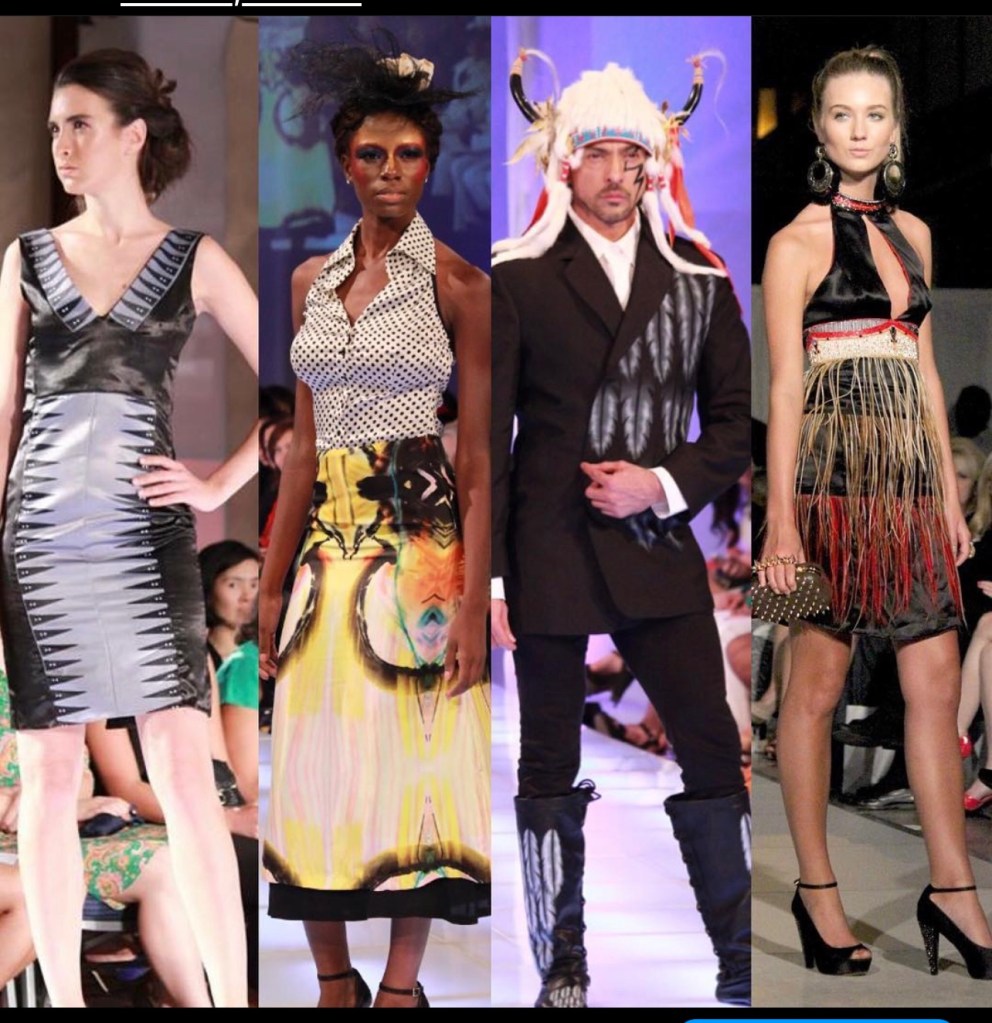
Native American fashion (also known as Indigenous American fashion) encompasses the design and creation of high-fashion clothing and fashion accessories by the Native peoples of the Americas. Indigenous designers frequently incorporate motifs and customary materials into their wearable artworks, providing a basis for creating items for the haute couture and international fashion markets. Their designs may result from techniques such as beadwork, quillwork, leather, and textile arts, such as weaving, twining, and tufting. In some cases, however, they choose not to include any materials associated with indigenous cultures.

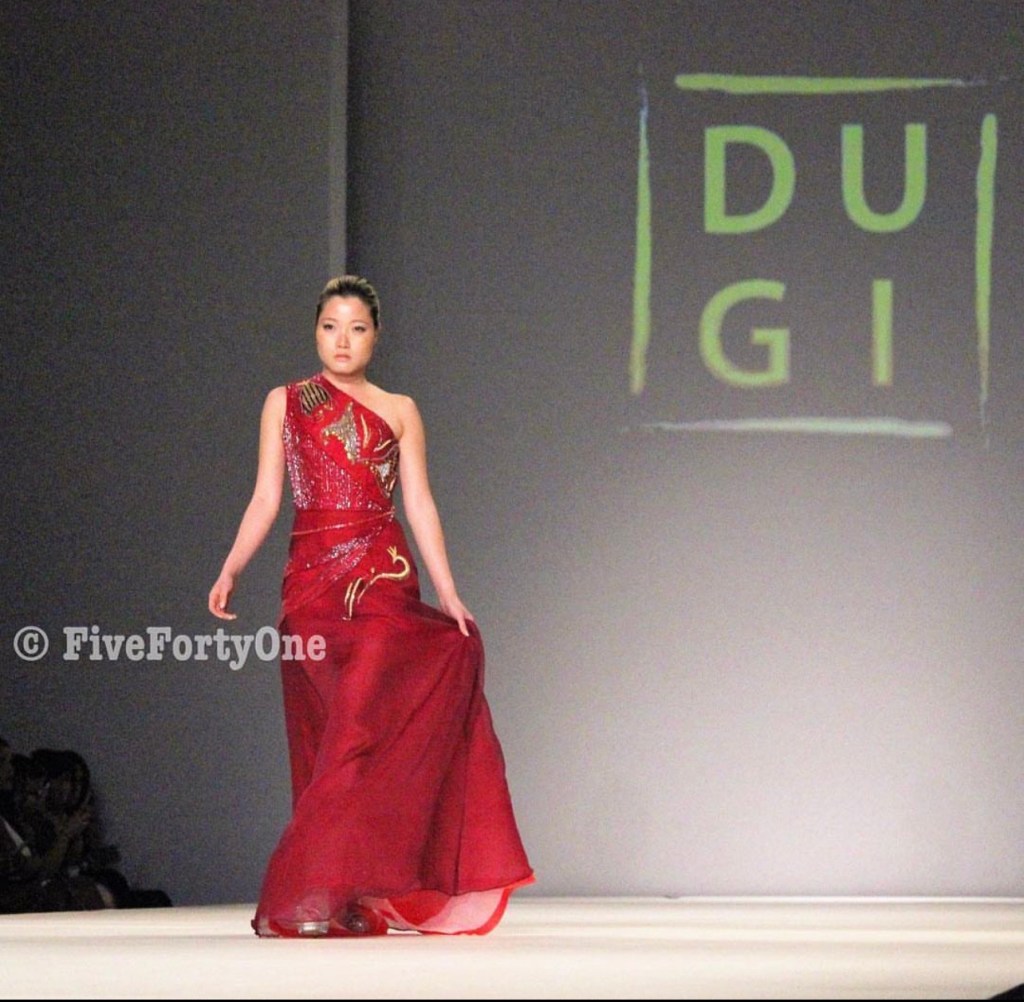
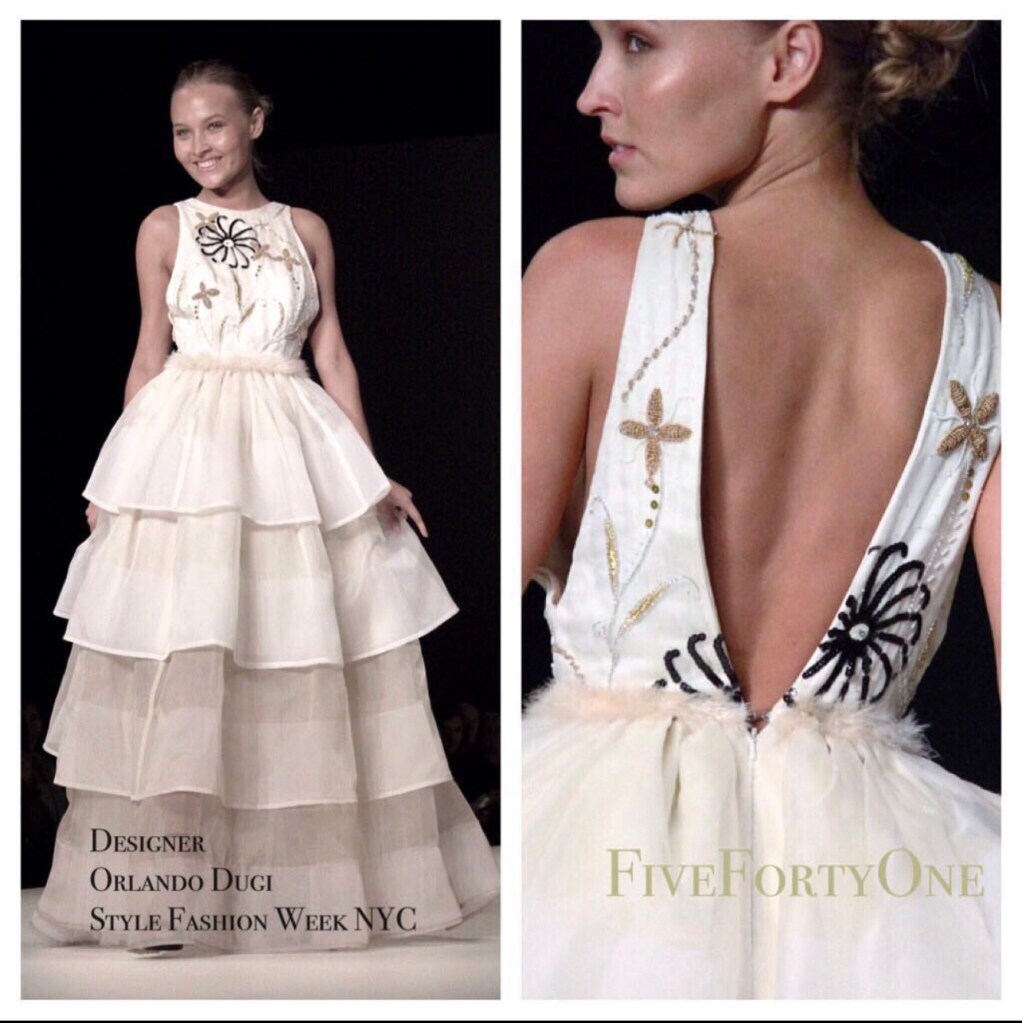
One such designer – Orlando Dugi, a Santa Fe based designer that has taken his collections to New York Fashion Week and a Oklahoma Fashion Week and has expanded his showcase over the past several years to a Couture-Lovers dream. Find his designs at:

https://orlandodugi.com/

RES 2023 – NCAIED

The National Center for American Indian Enterprise Development will hold its 2023 RES SUMMIT in Las Vegas next month, April 3-6 at Caesar’s Palace.

The event, embracing “Empowering for GENERATIONS” philosophy, will assist attendees with high caliber networking, business development sessions, one-on-one consulting and host a Native American owned vendor business trade show

2023 Session topics include Enterprise Development, Entrepreneurship, Gaming, Entertainment, Food sovereignty, Access to Capital, Advocacy, Infrastructure and Leadership and Governance.

For more information or to purchase tickets visit:

https://res.ncaied.org

Free Press online is a Native American, Women owned media company with specialty in entrepreneurship , fair media practices, news aggregation and lifestyle publications. We will be attending the event to bring the news of the summit in our Native American Entrepreneurs Online Magazine.

2023 Session topics include Enterprise Development, Entrepreneurship, Gaming, Entertainment, Food sovereignty, Access to Capital, Advocacy, Infrastructure and Leadership and Governance.

“Never Seen Anything Like It” – Scientists Baffled By Strange Seismic Waves Rocking The Globe | Zero Hedge

Low-frequency waves shook the entire Earth for about 20 minutes that day, but scientists now believe they know what caused that strange phenomenon…
— Read on www.zerohedge.com/news/2018-12-01/never-seen-anything-it-scientists-baffled-strange-seismic-waves-rocking-globe