
Current Landscape of the US Fashion Business: November 2025 Snapshot
As of late November 2025, the US fashion industry—valued at approximately $365.7 billion in apparel sales alone—is navigating a turbulent period marked by economic caution, geopolitical pressures, and rapid technological shifts. While the sector is projected to grow modestly at 2-4% year-over-year, aligning with global GDP forecasts, consumer sentiment remains subdued amid inflation and uncertainty. Only 20% of executives anticipate improved conditions in 2026, reflecting a broader pessimism where 46% expect worsening dynamics. Luxury brands are rebounding with a 65% surge in retail square footage in the first half of 2025, driven by creative director changes at major houses like Balmain and investments in experiential retail. However, mid-tier players like Macy’s and Under Armour face store closures and sales drops, with 15,000 US retail outlets shuttering this year—double last year’s tally—as consumers trade down to value options.
Key Challenges: Tariffs and Supply Chain Strains
Escalating tariffs under the Trump administration are the top concern, cited by 100% of US Fashion Industry Association (USFIA) survey respondents as a major business hurdle. Proposed 25% levies on imports from Mexico and Canada, effective early 2026, could add $19.9 billion in duties on textiles and apparel if import volumes hold steady, driving up consumer prices by nearly $35 billion annually. This has prompted sourcing shifts toward Vietnam and Western Hemisphere partners under free trade agreements, though US labor shortages in warehouses exacerbate delays. Fast-fashion disruptors like Shein and Temu, popular with 51% of US shoppers in the past year, intensify pressure through low-cost imports but draw scrutiny for unsustainable practices. New 2024 regulations, including the Uyghur Forced Labor Prevention Act’s ongoing enforcement, mandate greater supply chain transparency, with 39% of executives forecasting deteriorating conditions.
Emerging Trends: Digital Innovation and Cultural Shifts
On a brighter note, e-commerce and AI are fueling resilience, with social commerce projected to reach $105.5 billion in the US by year-end and AI potentially adding $150-275 billion in global profits over the next few years. Live shopping on TikTok and Instagram is gaining traction—31% of US consumers have engaged—while gamified loyalty programs and omnichannel experiences (seamless across devices) are becoming standard to boost engagement. Gen Z and Alpha (under 28) will drive 40% of the market by 2035, favoring experimental, culturally relevant brands over legacy ones, with streetwear exploding to $371 billion globally this year.
Sustainability, though deprioritized (only 18% of execs flag it as a top risk, down from 29% in 2024), persists via resale platforms, rental models, and eco-materials, spurred by consumer demand for trust and ethics. Collaborations blending luxury and streetwear—e.g., Travis Scott x Nike, Harry Styles x Gucci—signal a convergence, amplifying drop culture and event-based sales.
Style Highlights: Fall/Winter 2025
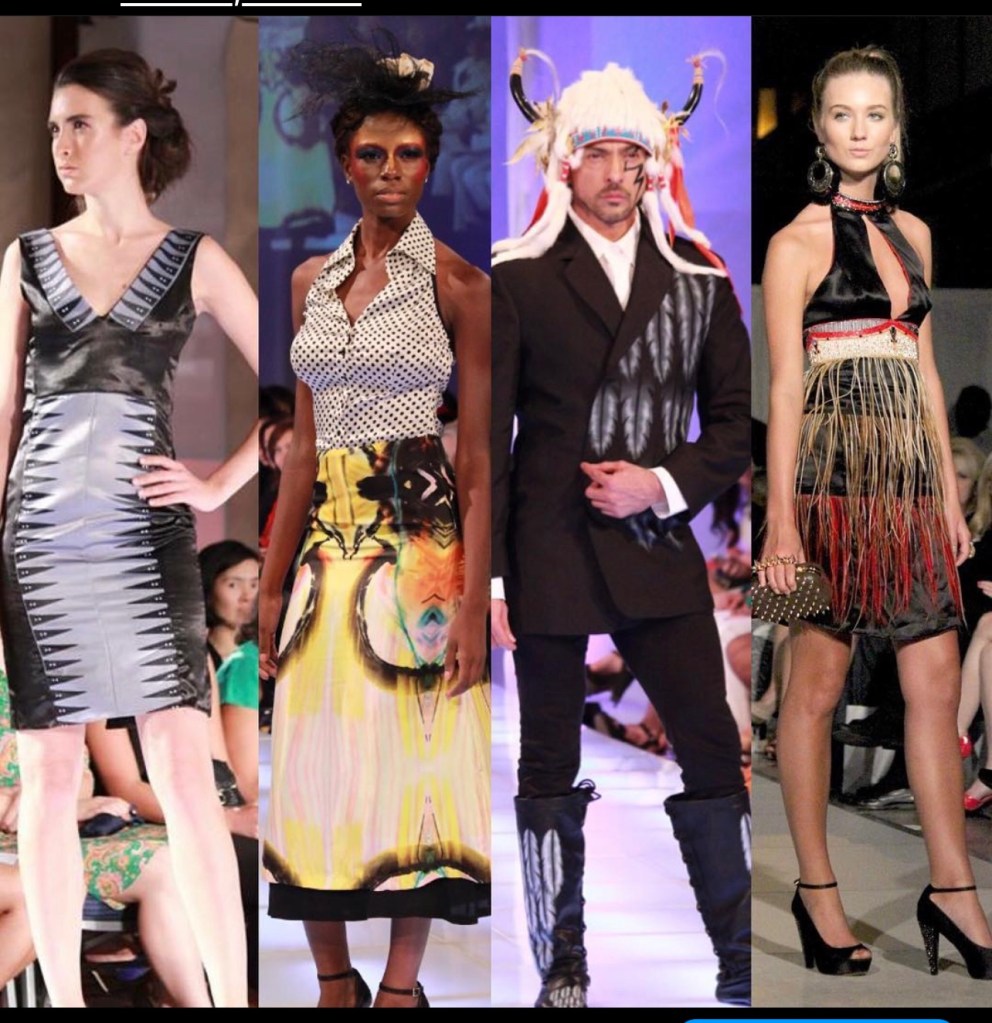
Runways emphasize “soft power”—layering, statement collars, and relaxed silhouettes like stirrup pants and skants for versatility. Spring 2025 previews feature vanilla/saffron yellows (+11% popularity), suede revivals, and gender-neutral minimalism, with suede up across bags and outerwear. Events like the CFDA Awards underscore diversity, with Willy Chavarría’s immigrant-inspired show highlighting American utilitarianism.
M&A and Broader Outlook
Deal-making is steady at 23 transactions so far in 2025, focusing on complementary acquisitions like VF Corp’s Timberland redux for stability amid volatility. Accessories like Gucci’s travel eyewear signal premium growth, bolstered by e-commerce and pop culture. Agile brands adapting to AI, tariffs, and youth-driven trends will thrive, but the “year of reckoning” demands nimble pivots in a trillion-dollar global market.




 FREE PRESS ONLINE